Moraine Lake: Experience Banff's Magical Turquoise Gem Safely
Nestled deep within the majestic Canadian Rockies, Moraine Lake stands as a vibrant testament to nature's artistry. If you've ever dreamt of visiting an impossibly blue lake surrounded by towering, snow-capped peaks, chances are you've already seen photos of this iconic spot – perhaps on a postcard, calendar, or even the back of an old Canadian twenty-dollar bill. This surreal vista, often appearing too vibrant to be real, is precisely what awaits you at
lake moraine banff national park. It’s an undeniable masterpiece, a magical turquoise gem that truly lives up to its legendary status in person.
However, experiencing this wonder isn't quite as simple as pulling up in your car anymore. Recent changes in access, while requiring a bit more planning, have transformed the journey into a more serene and sustainable adventure, making the destination even more rewarding. Prepare to be captivated by its wild beauty, understand the efforts taken to preserve its tranquility, and discover how you can safely and sustainably immerse yourself in one of Canada's most cherished landscapes.
The Unforgettable Allure of Moraine Lake's Turquoise Splendor
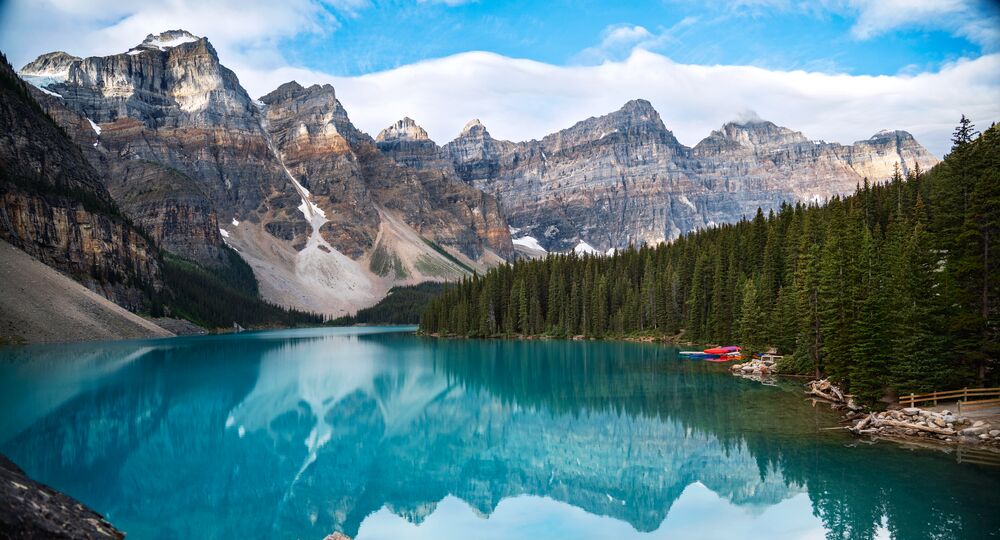
What exactly is it about Moraine Lake that stops people in their tracks and inspires awe? Is it the sheer scale of the landscape, or the mesmerizing color of its waters? The truth is, it's a sublime combination of elements that creates an almost otherworldly atmosphere. The lake's signature, breathtaking turquoise hue isn't an optical illusion or the result of excessive photo editing; it's a natural phenomenon. This vibrant color comes from "rock flour" – incredibly fine glacial silt that flows into the lake from surrounding glaciers. When sunlight hits these suspended particles, it reflects back as that distinct, glowing blue-green, changing subtly with the light and time of day.
Rising dramatically behind the lake is the iconic Valley of the Ten Peaks, a natural amphitheater of towering mountains. Peaks like Mount Fay and Mount Babel stand majestically, their rugged faces reflecting in the mirror-like surface of the lake on calm days. The silence in the early morning, broken only by the gentle lapping of water or the distant call of an eagle, adds to the profound sense of peace. Whether you’re witnessing the first rays of dawn painting the peaks in gold, feeling the crisp mist roll across the water's surface in early autumn, or hearing your own voice echo softly off the ancient rockpile, Moraine Lake is a place that invites you to pause, breathe deeply, and simply *be*. It’s a sensory experience that resonates long after you’ve left, embedding itself in your memory as a truly magical encounter with nature.
Navigating Your Journey: How to Access Moraine Lake Safely and Sustainably
One of the most significant changes for visitors to
lake moraine banff national park in recent years is the revised access policy. As of 2023, personal vehicle access to Moraine Lake's road is no longer permitted. This decision by Parks Canada was made to address severe traffic congestion and environmental concerns, and while it requires a shift in planning for many, it has undeniably enhanced the visitor experience, making it quieter, safer, and far less chaotic.
So, how do you experience this iconic spot now? The journey is part of the adventure, and several convenient and eco-friendly options are available:
*
Parks Canada Shuttles: This is often the most recommended and affordable option. Shuttles depart regularly from the Park & Ride lot located at the Lake Louise Ski Resort. It is absolutely crucial to book your tickets in advance via the Parks Canada reservation site, as spots fill up very quickly, especially during peak season. For those eager to capture the famed sunrise or simply enjoy the lake in solitude, Parks Canada has even added pre-dawn departure times, perfect for photographers and early birds.
*
Private Shuttles: Several private companies offer shuttle services from Banff, Lake Louise Village, or the Lake Louise Ski Resort. These often provide more flexible timings or additional amenities.
*
Public Transit: Regional public transit options can connect you to the Lake Louise area, from which you can then transfer to a shuttle for Moraine Lake.
*
Guided Tours: Many tour operators in Banff and Lake Louise offer guided excursions that include Moraine Lake. These can be an excellent option for a hassle-free experience, often including transport, interpretive guides, and stops at other scenic viewpoints.
The road to Moraine Lake typically opens to vehicle traffic only during the summer months, usually from early June to mid-October, depending on snow conditions. During the busiest times, from June to October, booking well in advance is paramount. The lake itself is located approximately 71 km from Banff townsite and a mere 14 km from Lake Louise. For a deep dive into all your transportation options and how to secure your spot, be sure to check out our comprehensive
Moraine Lake Access Guide: Your Journey to Banff's Iconic Blue. And if you're specifically wondering about the current car restrictions, you'll find everything you need to know in
Visiting Moraine Lake: No Personal Cars? Here's How in Banff.
During the winter months (roughly November to May), the road to Moraine Lake is closed to vehicular traffic due to heavy snowfall and avalanche risk. However, it transforms into a stunning cross-country skiing trail up to the Ten Peaks viewpoint, offering a unique, tranquil experience for winter adventurers. Anything past this viewpoint, however, poses significant avalanche danger and is not recommended for travel without proper training and gear.
Beyond the Turquoise: Exploring the Moraine Lake Area
While the view from the shoreline is breathtaking, Moraine Lake is also a gateway to some of the finest hiking trails in the Canadian Rockies. For an iconic photo opportunity and a slightly elevated perspective, a short scramble up the famous *Rockpile* offers panoramic views of the lake and the Valley of the Ten Peaks. For more adventurous souls, a network of extensive hiking trails wraps around the bright blue lakes, offering breathtaking vistas at every turn.
*
Lake Shore Trail: A relatively easy and flat walk along the lake's edge, offering different perspectives of the turquoise waters.
*
Consolation Lakes Trail: A moderate hike leading to a series of smaller, picturesque lakes.
*
Eiffel Lake Trail / Larch Valley Trail: These are more challenging alpine hikes, particularly stunning in late September when the larch trees turn golden. The alpine hiking season typically begins in late June once the snow has melted sufficiently.
Remember that you are in bear country, so always carry bear spray, know how to use it, and make noise on trails.
The broader Lake Louise area, historically significant as Laggan Station (founded in 1890 as a wild outpost at the end of the Canadian Pacific Railway), is a hub of activity year-round. While Moraine Lake is the summer star, its neighbor, Lake Louise, offers equally spectacular scenery and a wider array of activities. From November through April, the region transforms into a winter wonderland, boasting one of the longest ski seasons in North America and receiving more snow than other parts of Banff National Park. Whether it’s downhill skiing, snowboarding, ice skating on Lake Louise, or cross-country skiing the groomed trails, the winter months here are truly magical.
Planning Your Perfect Moraine Lake Experience
To make the most of your visit to
lake moraine banff national park, a little strategic planning goes a long way.
*
Best Time to Visit: The lake usually melts by late May, but the vibrant turquoise color truly emerges in June. The months between June and October are the only time the road is open. To avoid the busiest crowds and experience a more tranquil atmosphere, aim for early morning departures (especially the pre-dawn shuttle for photographers) or late afternoon visits. Weekdays are generally less crowded than weekends.
*
Book in Advance: This cannot be stressed enough. Whether it's Parks Canada Shuttles, private tours, or accommodation, secure your bookings as far ahead as possible.
*
Dress in Layers: Mountain weather is unpredictable. Even in summer, temperatures can drop quickly, especially in the mornings or evenings. Bring waterproof outerwear.
*
Pack Essentials: Water, snacks, sunscreen, insect repellent, and a camera are must-haves. For hikers, sturdy footwear and bear spray are essential.
*
Leave No Trace: Help preserve the pristine beauty of Moraine Lake and Banff National Park. Pack out everything you pack in, stay on marked trails, and do not disturb wildlife.
Moraine Lake is not just a destination; it's an experience that etches itself into your memory. Its iconic status is well-deserved, and with a little planning, you can safely and sustainably witness its magic firsthand.
Conclusion
Moraine Lake is, without a doubt, one of the most stunning natural wonders on the planet. Its electric turquoise waters, framed by the majestic Valley of the Ten Peaks, create a landscape that feels almost ethereal. While access has evolved to prioritize preservation and enhance visitor experience, the effort required to reach this gem in
lake moraine banff national park is profoundly rewarded. By embracing sustainable travel options and planning your visit carefully, you’re not just seeing a beautiful lake; you're participating in its ongoing conservation, ensuring future generations can also marvel at this magical turquoise masterpiece. Start planning your unforgettable Banff adventure today, and prepare to be enchanted by Moraine Lake's unparalleled beauty.